


Fire safety is a critical requirement for commercial, industrial, and residential buildings. One of the most important components of a fire protection network is the fire pump system. This system is designed to provide the water pressure needed to operate sprinklers, hydrants, hose reels, and other firefighting equipment effectively during an emergency. When the available water supply cannot deliver sufficient pressure, a fire pump system steps in to ensure that water reaches every part of the building where it is needed.
A fire pump system serves as the driving force behind many fire suppression systems. Without adequate pressure, water may not travel through the pipes fast enough to control or extinguish a fire. By increasing water pressure, the fire pump helps firefighters and automatic sprinkler systems respond quickly, reducing damage and improving safety for occupants and property.
Understanding the Purpose of a Fire Pump System
The main purpose of a fire pump system is to boost water pressure within a fire protection network. In many large buildings, especially high-rise structures, warehouses, factories, and shopping centers, the municipal water supply alone may not provide enough pressure to support firefighting operations. A fire pump solves this problem by delivering a strong and reliable flow of water whenever a fire emergency occurs.
These systems are engineered to operate automatically, ensuring immediate response without requiring manual intervention. This automatic functionality is essential because every second counts when controlling the spread of fire.
Key Components of a Fire Pump System
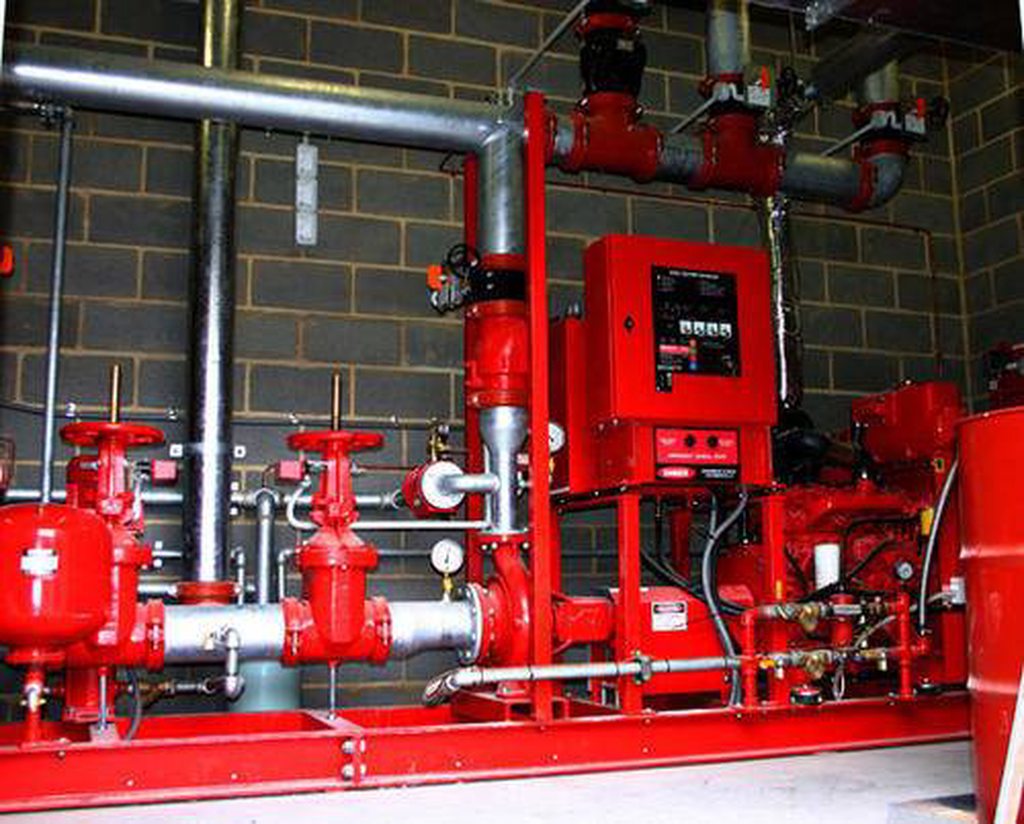
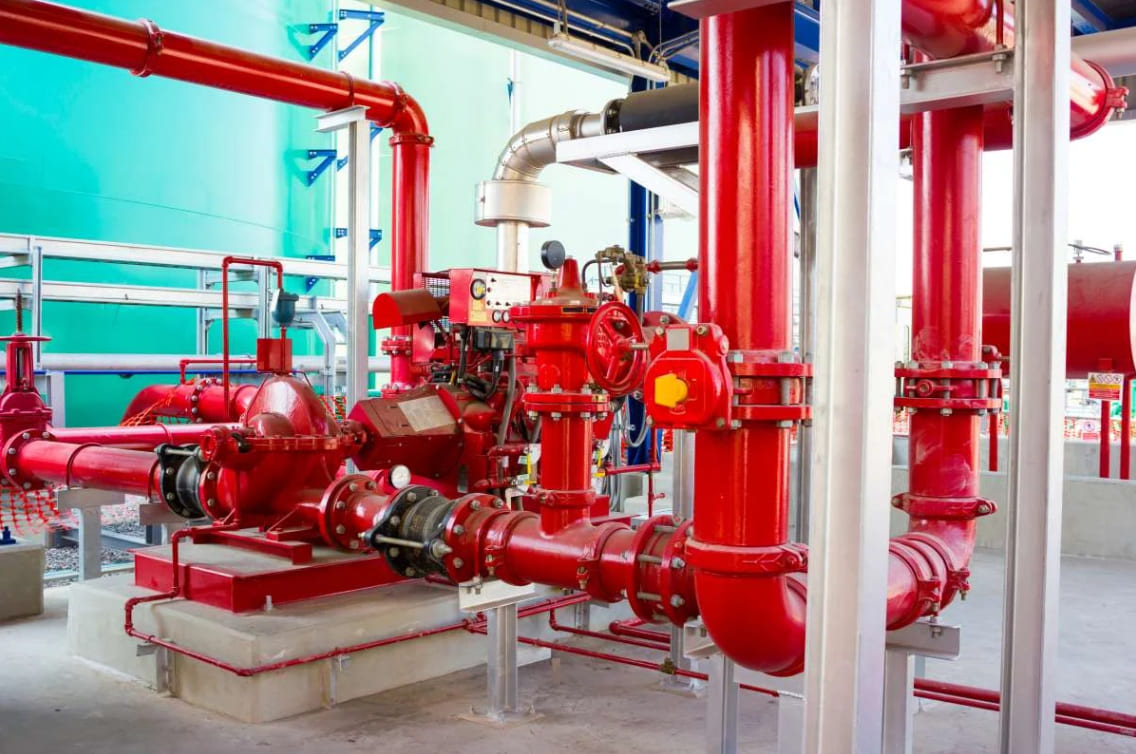
A fire pump system consists of several components that work together to maintain protection around the clock. The main fire pump is responsible for increasing water pressure and flow. A jockey pump maintains pressure during normal conditions and prevents unnecessary activation of the main pump. The controller monitors pressure levels and automatically starts the pump when a significant pressure drop is detected.
Other important parts include valves, pressure gauges, piping, water storage tanks, and power sources. Depending on the facility, the fire pump may be driven by an electric motor or a diesel engine. Diesel-driven pumps provide an additional layer of reliability during power outages, making them a popular choice for critical facilities.
How Does a Fire Pump System Work?
A fire pump system remains on standby until it is needed. Under normal circumstances, the piping network stays pressurized. The jockey pump maintains this pressure and compensates for small fluctuations within the system.
When a fire occurs, a sprinkler head activates or a hydrant is opened. As water begins to flow through the network, system pressure decreases. The controller detects this pressure drop and immediately starts the main fire pump. The pump then draws water from the designated source, such as a storage tank, underground reservoir, or municipal water line.
Once activated, the pump boosts water pressure and delivers a powerful flow throughout the fire protection system. This ensures that sprinklers, hose reels, and hydrants receive enough water to suppress the fire effectively. The pump continues operating until emergency personnel manually stop it or the fire event has ended.
Common Types of Fire Pumps
Several types of fire pumps are used in modern fire protection systems. Horizontal split-case pumps are known for their durability and efficiency, making them suitable for large facilities. Vertical inline pumps are ideal for locations where installation space is limited. End suction pumps are widely used because of their simple design and cost-effectiveness.
Vertical turbine pumps are commonly installed when water is sourced from wells, lakes, or underground tanks. Each pump type offers unique advantages, and the selection depends on building size, water source, and fire protection requirements.
Benefits of Installing a Fire Pump System
A properly designed fire pump system offers numerous benefits. It provides reliable water pressure during emergencies, helping fire suppression equipment perform at maximum efficiency. This improved performance can reduce fire damage, protect valuable assets, and enhance occupant safety.
Fire pump systems also help buildings comply with local fire safety regulations and insurance requirements. Many organizations recognize the importance of these systems because they improve emergency preparedness and reduce overall risk.
Another major advantage is reliability. Fire pumps are specifically designed for emergency situations and are built to operate under demanding conditions. Their robust construction ensures dependable performance when it matters most.
The Importance of Maintenance
Regular inspection and maintenance are essential for keeping a fire pump system ready for operation. Scheduled testing helps identify mechanical issues, pressure problems, or component wear before they affect performance. Routine maintenance also extends equipment lifespan and ensures compliance with fire safety standards.
Building owners should follow recommended inspection schedules and work with qualified fire protection professionals to keep their systems functioning properly. A well-maintained fire pump can make a significant difference during a real emergency.
Conclusion
A fire pump system is a vital element of any fire protection strategy. It provides the pressure and water flow needed to support sprinklers, hydrants, and other firefighting equipment when a fire occurs. By automatically responding to pressure changes, the system ensures rapid and reliable fire suppression. Whether installed in a commercial building, industrial facility, or residential complex, a fire pump system plays a crucial role in protecting lives, property, and business operations from the devastating effects of fire.