Fire fighting system design in Pakistan plays a vital role in protecting lives, property, and infrastructure from fire hazards. With rapid urban development, increasing high-rise buildings, shopping malls, factories, and residential complexes, the need for proper fire safety planning has become more important than ever. A well-designed fire fighting system is not just a legal requirement in many cases, but also a critical safety measure that can prevent disasters and minimize damage during emergencies.
Understanding Fire Fighting System Design
Fire fighting system design refers to the planning, engineering, and installation of equipment and infrastructure that help detect, control, and extinguish fires. In Pakistan, these systems are designed according to building type, occupancy level, and risk category. The goal is to ensure that in case of a fire, the system activates quickly and effectively to reduce loss of life and property.
A complete fire protection system usually includes fire alarms, smoke detectors, sprinklers, fire hydrants, fire pumps, hose reels, and emergency exits. Each component is carefully integrated into the building design to ensure smooth operation during emergencies.
Importance of Fire Safety in Pakistan
Fire incidents in Pakistan are increasing due to electrical faults, gas leaks, industrial accidents, and lack of safety awareness. In many cases, the damage becomes severe because buildings either lack proper fire fighting systems or the systems are not maintained properly.
Proper fire fighting system design helps in:
Early detection of fire
Quick evacuation of people
Controlling fire spread
Protecting valuable assets
Reducing overall risk and damage
In cities like Karachi, Lahore, and Islamabad, high-rise buildings and commercial areas especially require advanced fire protection systems due to higher occupancy and complex infrastructure.
Key Components of Fire Fighting System Design
A properly designed fire fighting system in Pakistan includes several important components:
1. Fire Detection System
This includes smoke detectors, heat detectors, and manual call points. These devices detect fire at an early stage and send alerts to the control panel.
2. Fire Alarm System
Once a fire is detected, the alarm system activates sirens and visual alerts to notify occupants, helping them evacuate quickly.
3. Sprinkler System
Automatic sprinkler systems release water when heat is detected. These are commonly used in commercial buildings, malls, and warehouses.
4. Fire Hydrant System
Fire hydrants provide a high-pressure water source for firefighters to control large fires.
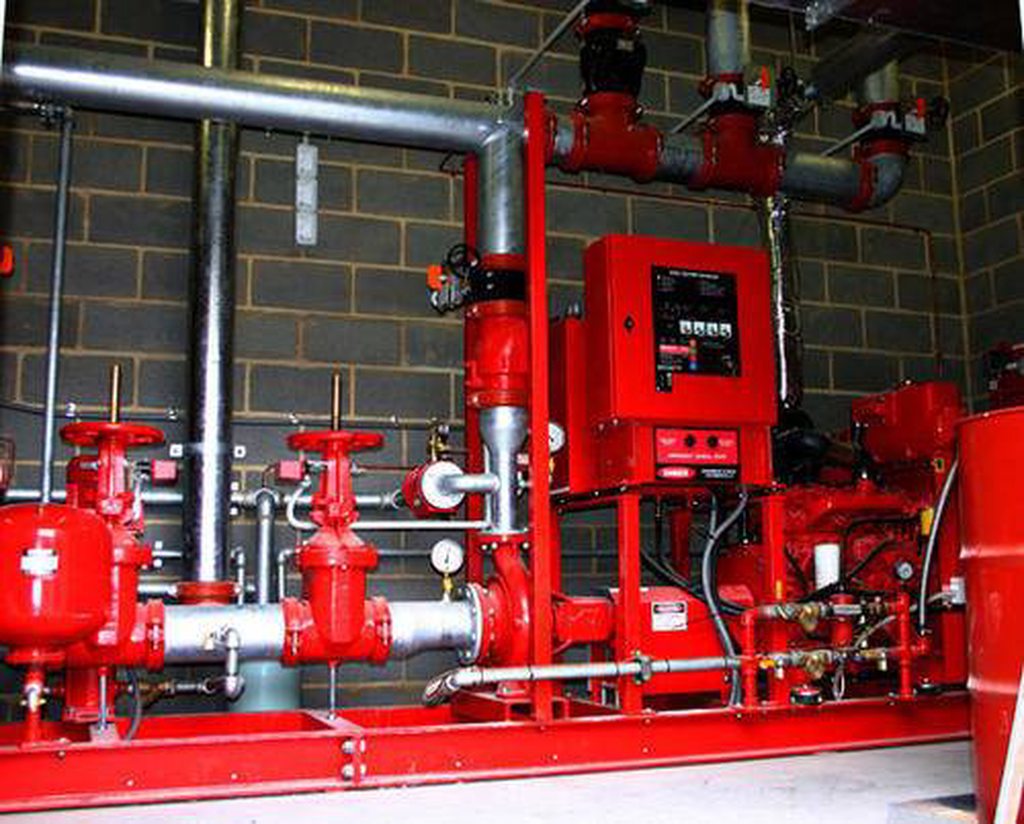
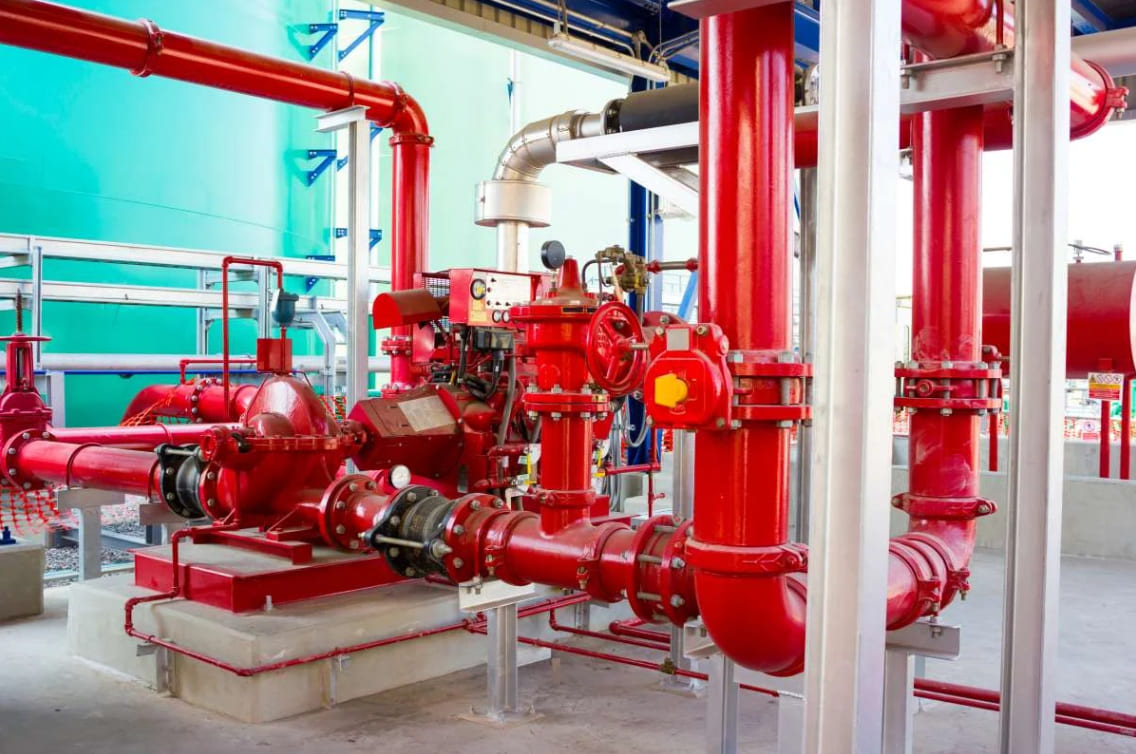
5. Fire Pumps
Fire pumps ensure sufficient water pressure is available throughout the system, especially in tall buildings.
6. Hose Reel System
These are used for manual firefighting inside buildings and are often placed on each floor.
7. Emergency Exit and Evacuation Plan
Proper exit routes, staircases, and signage are essential for safe evacuation during emergencies.
Fire Fighting System Design Process in Pakistan
Designing a fire fighting system involves several important steps:
1. Site Inspection and Risk Assessment
Engineers first evaluate the building structure, occupancy type, and fire risks. For example, a hospital will have different requirements compared to a warehouse.
2. System Selection
Based on risk level, engineers decide whether the building needs sprinklers, hydrants, or special suppression systems like gas-based systems.
3. Hydraulic Calculations
Water flow, pressure requirements, and pump capacity are calculated to ensure the system works effectively during emergencies.
4. Layout Design
Piping networks, sprinkler placement, and equipment locations are carefully planned using CAD software.
5. Compliance with Standards
Designs in Pakistan often follow international safety standards such as NFPA (National Fire Protection Association) along with local building codes.
6. Installation and Testing
Once installed, the system is tested to ensure all components are working properly under emergency conditions.
Fire Safety Standards in Pakistan
In Pakistan, fire safety regulations vary by province and city, but many projects follow international guidelines like NFPA standards. Building control authorities in major cities require fire safety approval before construction completion.
However, enforcement is still improving, and many older buildings lack modern fire protection systems. This highlights the need for better regulation and awareness.
Challenges in Fire Fighting System Design
Despite growing awareness, Pakistan still faces several challenges in fire safety system implementation:
Lack of awareness among builders and property owners
Poor maintenance of installed systems
Limited trained fire safety engineers in some regions
Budget constraints in small projects
Weak enforcement of fire safety laws in some areas
These issues often lead to system failure during emergencies, which can result in serious damage.
Role of Modern Technology
Modern fire fighting system design is becoming more advanced with the use of smart technologies. Automated fire detection systems, IoT-based monitoring, and remote alarm systems are now being introduced in high-end buildings.
These technologies allow real-time monitoring of fire risks and quick response, which significantly improves safety levels.
Conclusion
Fire fighting system design in Pakistan is a critical aspect of modern construction and urban planning. As cities continue to grow vertically and industrial sectors expand, the importance of reliable fire safety systems cannot be ignored.
A properly designed system ensures early detection, fast response, and effective control of fire hazards. Although challenges still exist in implementation and enforcement, increasing awareness and adoption of modern technologies are helping improve fire safety standards across the country.
Investing in a well-planned fire fighting system is not just about compliance—it is about saving lives and protecting the future.
AcroFire Engineering Technologies is a leading manufacturer of high-quality fire fighting products, delivering reliable, innovative, and certified solutions for industrial, commercial, and residential safety needs.