


Fire safety is one of the most critical aspects of commercial, industrial, and residential building management. A properly designed fire protection system not only safeguards lives but also protects valuable assets, minimizes business interruptions, and helps organizations meet legal requirements. However, simply installing fire safety equipment is not enough. Every fire protection system should be designed according to internationally recognized standards to ensure reliable performance during emergencies. One of the most trusted standards worldwide is the National Fire Protection Association (NFPA) code.
An NFPA Fire Protection Design follows engineering guidelines that ensure fire detection, suppression, and evacuation systems function effectively when they are needed most. From fire sprinklers and hydrants to alarms and fire pumps, every component is carefully planned to meet strict safety requirements. Whether you are constructing a new commercial building or upgrading an existing facility, NFPA-compliant fire protection design provides confidence that your building is prepared for potential fire emergencies.
What Is NFPA?
The National Fire Protection Association (NFPA) is an internationally recognized nonprofit organization that develops fire safety standards and codes. Established in 1896, NFPA has become one of the world’s leading authorities on fire prevention, electrical safety, and life safety practices.
NFPA publishes hundreds of standards covering various aspects of fire protection, including:
- Fire sprinkler systems
- Fire alarm systems
- Fire pumps
- Standpipe systems
- Fire hydrant systems
- Clean agent suppression systems
- Emergency evacuation procedures
- Electrical safety
- Inspection, testing, and maintenance
These standards are widely adopted by governments, engineers, insurance companies, architects, and fire protection professionals across the world.
Why NFPA Standards Matter
Fire emergencies often develop within minutes, leaving little time for occupants to react. An improperly designed system may fail to detect or suppress a fire, resulting in significant damage and increased risk to human life.
Following NFPA Fire Protection Design principles ensures that every element of a fire protection system is engineered to perform efficiently under emergency conditions.
Key benefits include:
- Reliable fire detection
- Faster fire suppression
- Improved occupant safety
- Reduced property damage
- Better emergency response
- Compliance with international engineering practices
- Increased system reliability
Rather than relying on assumptions, NFPA standards are developed through years of research, testing, and industry collaboration.
Understanding NFPA Fire Protection Design
NFPA Fire Protection Design is the process of planning, engineering, and documenting fire protection systems according to NFPA codes and standards.
This includes designing:
- Fire sprinkler systems
- Fire hydrant networks
- Fire alarm systems
- Fire pumps
- Water storage tanks
- Standpipe systems
- Smoke detection systems
- Emergency communication systems
Engineers evaluate the building layout, occupancy type, fire hazards, and water supply before determining the most appropriate protection strategy.
Legal Benefits of NFPA Compliance
Many countries and local authorities recognize NFPA standards as a benchmark for fire protection design. While local building codes may differ, NFPA guidelines often form the foundation of regulatory requirements.
An NFPA-compliant design can help organizations:
- Meet building approval requirements
- Simplify project approvals
- Support insurance applications
- Reduce legal liabilities
- Demonstrate commitment to workplace safety
- Meet international project specifications
Businesses that follow recognized standards are often better prepared for inspections and audits.
Safety Benefits of NFPA Fire Protection Design
Protecting people is the primary objective of every fire protection system.
A properly designed NFPA-compliant system helps:
- Detect fires quickly
- Alert occupants immediately
- Control fire growth
- Provide safe evacuation time
- Support firefighters during emergencies
- Reduce injuries and fatalities
Effective fire protection design creates multiple layers of safety instead of depending on a single piece of equipment.
Essential Components of an NFPA-Compliant Fire Protection System
A complete fire protection system consists of several interconnected components designed to work together.
Fire Alarm System
Fire alarms provide early warning through smoke detectors, heat detectors, manual call points, sounders, and control panels. Early detection allows occupants to evacuate safely before fire conditions worsen.
Fire Sprinkler System
Automatic sprinkler systems release water when high temperatures activate sprinkler heads. These systems help control fires before they spread throughout the building.
Fire Hydrant System
Fire hydrants provide firefighters with a dependable water supply during emergency response. Proper hydrant placement and adequate water pressure are essential parts of NFPA-compliant design.
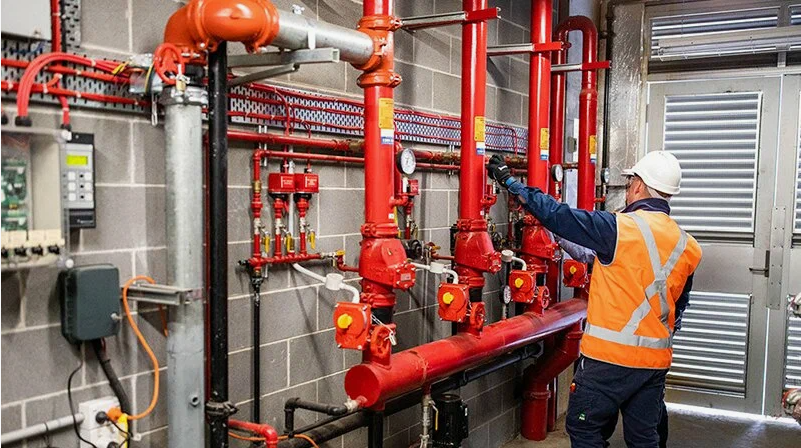
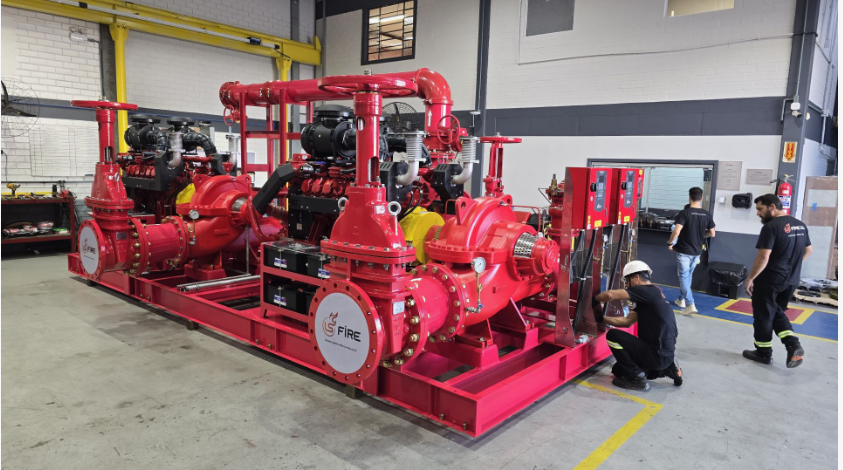
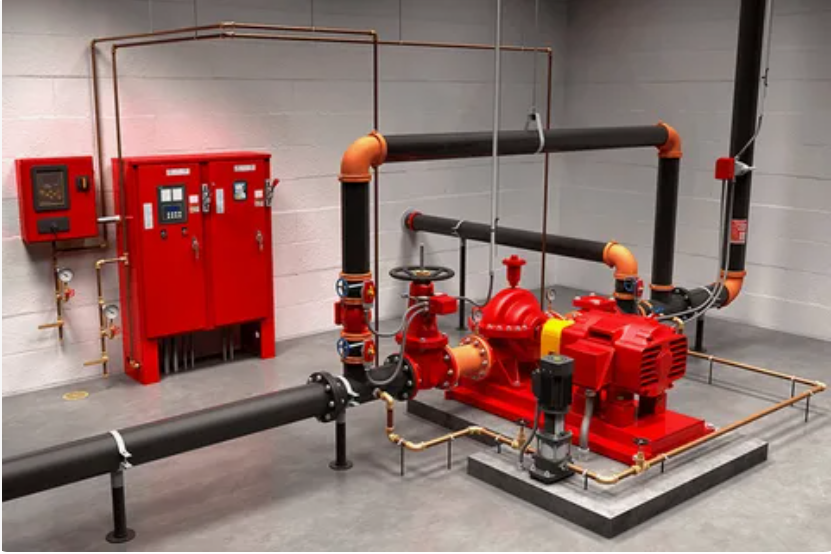
Fire Pumps
Fire pumps ensure sufficient water pressure for hydrants and sprinkler systems when municipal water pressure is inadequate.
Water Storage Tanks
Dedicated fire water tanks provide an emergency water supply capable of supporting fire suppression systems during extended incidents.
Portable Fire Extinguishers
Fire extinguishers are strategically located throughout buildings to control small fires before they become larger emergencies.
The Importance of Hydraulic Calculations
Hydraulic calculations are an essential part of NFPA Fire Protection Design.
Engineers calculate:
- Water flow requirements
- Pipe sizing
- Pressure losses
- Pump capacity
- Sprinkler demand
- Tank storage capacity
These calculations verify that every sprinkler and hydrant will receive sufficient water during an emergency.
Without proper hydraulic analysis, even high-quality equipment may not perform effectively.
Risks of Non-Compliant Fire Protection Designs
Ignoring NFPA standards can result in serious consequences.
Common risks include:
- Delayed fire detection
- Insufficient water pressure
- Inadequate sprinkler coverage
- Improper hydrant locations
- Equipment failure
- Increased fire damage
- Higher insurance costs
- Legal penalties
- Business interruption
- Greater risk to human life
Poor system design often remains unnoticed until an actual fire emergency occurs.
Industries That Require NFPA-Compliant Fire Protection
Many industries rely on NFPA-compliant fire protection systems due to their higher fire risks and strict regulatory requirements.
These include:
Commercial Buildings
Shopping malls, office towers, hotels, and mixed-use developments require comprehensive fire protection systems to protect occupants and business operations.
Industrial Facilities
Manufacturing plants, warehouses, and production facilities often contain combustible materials and specialized machinery that require advanced fire protection.
Hospitals
Healthcare facilities depend on reliable fire detection and suppression systems to protect patients, staff, and critical medical equipment.
Educational Institutions
Schools, colleges, and universities require effective fire protection systems to ensure safe evacuation during emergencies.
Data Centers
Server rooms and data centers often use clean agent suppression systems to protect valuable electronic equipment without causing water damage.
Residential High-Rise Buildings
Modern apartment complexes require integrated fire alarms, sprinklers, emergency exits, and hydrant systems to protect residents.
Why Professional Fire Protection Design Matters
Designing a fire protection system involves much more than selecting equipment.
Professional engineers evaluate:
- Fire hazards
- Building occupancy
- Architectural drawings
- Mechanical systems
- Electrical infrastructure
- Water supply
- Future building expansion
- Regulatory requirements
A customized engineering approach ensures that the entire system performs as intended during emergencies.
How AcroFire Ensures NFPA Compliance
At AcroFire, fire protection design is based on internationally recognized engineering practices and industry standards. Every project begins with a detailed assessment of the building, its occupancy, and potential fire risks.
The design team develops customized fire protection solutions that include properly engineered hydrant systems, sprinkler layouts, fire alarm systems, fire pumps, and hydraulic calculations. Each design is prepared with careful attention to NFPA guidelines while also considering local regulatory requirements and project-specific needs.
AcroFire emphasizes quality, precision, and reliability throughout every stage of the project. From initial planning and engineering to documentation and implementation support, the company works to ensure that every fire protection system delivers dependable performance and long-term safety.
Choosing an Experienced Fire Protection Partner
Selecting the right fire protection company is essential for ensuring compliance and long-term system reliability.
Look for a provider with:
- Qualified fire protection engineers
- Experience across multiple industries
- Knowledge of NFPA standards
- Hydraulic calculation expertise
- Customized system design
- Quality documentation
- Installation support
- Inspection and maintenance services
An experienced partner can help reduce project risks while ensuring the highest level of fire safety.
Conclusion
An NFPA Fire Protection Design provides the foundation for safe, reliable, and code-compliant fire protection systems. By following internationally recognized standards, organizations can improve occupant safety, reduce property damage, support legal compliance, and increase system reliability.
From fire alarms and sprinklers to hydrant systems and hydraulic calculations, every component plays a vital role in protecting lives and property. Working with experienced fire protection professionals like AcroFire ensures that every project is designed with precision, complies with recognized standards, and delivers dependable performance when it matters most.
Investing in an NFPA-compliant fire protection design is not just about meeting regulations it is a commitment to creating safer buildings, protecting valuable assets, and providing peace of mind for building owners, employees, and visitors.