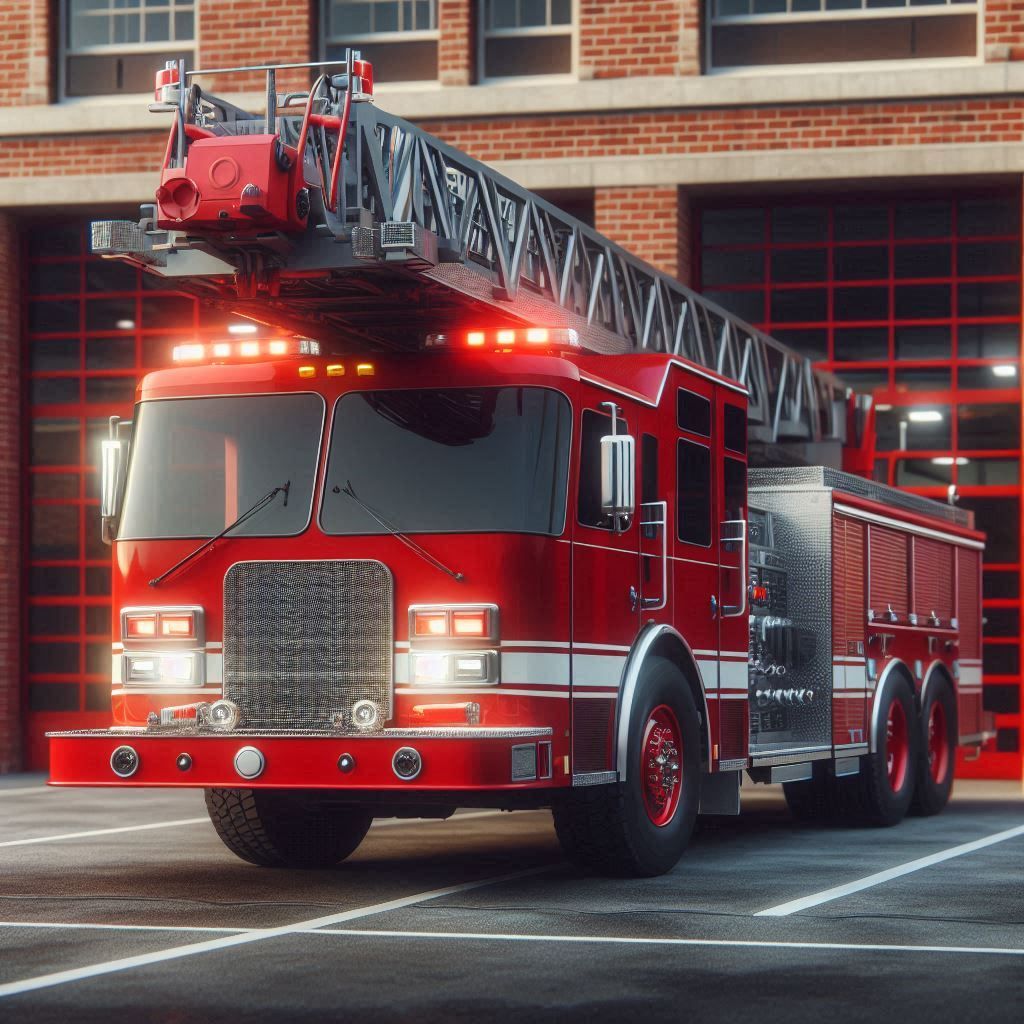



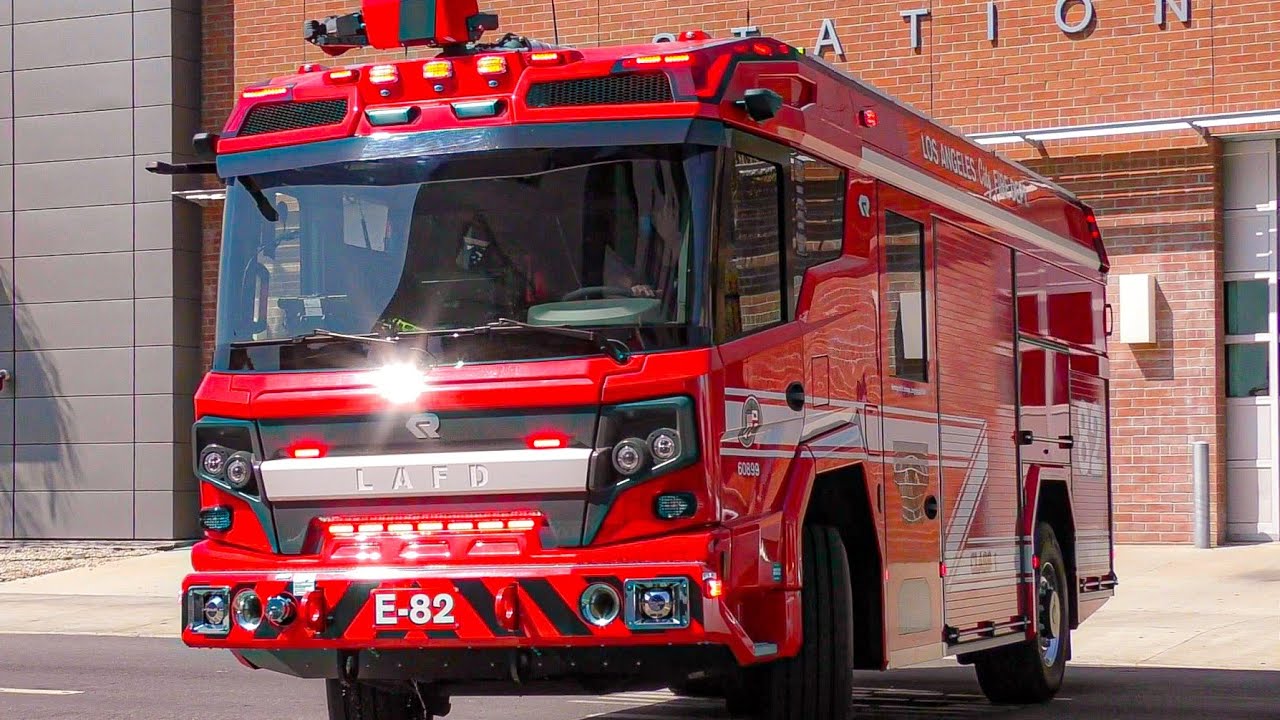
Industrial facilities face different fire risks depending on their operations, equipment, materials, and working environments. Manufacturing plants, warehouses, chemical facilities, oil and gas sites, and power stations may contain flammable substances, heavy machinery, and valuable infrastructure. A fire in any of these locations can cause serious property damage, interrupt business operations, and put workers at risk. For this reason, choosing the right fire truck is an important part of an effective industrial fire protection strategy.
A suitable industrial fire truck must provide reliable firefighting performance, sufficient water and foam capacity, powerful pumping equipment, and features that support safe operation. It should also match the specific hazards and emergency response requirements of the facility. Understanding these factors helps businesses select firefighting vehicles that can respond effectively when an emergency occurs.
1. High Water Storage Capacity
Water capacity is one of the most important considerations when selecting a fire truck for industrial applications. Industrial fires can spread quickly and may require a continuous water supply to control flames and protect nearby structures. A vehicle with a suitably sized water tank allows firefighters to begin suppression immediately, especially when an external water source is not readily available.
The required tank capacity depends on the size of the facility, the potential fire hazards, the expected response time, and the availability of hydrants or other water sources. Large industrial sites may require high-capacity fire trucks or vehicles that can work alongside dedicated water supply units.
When evaluating a fire truck, businesses should consider both the tank capacity and the vehicle’s ability to deliver water at the required flow rate. These factors help determine whether the vehicle can support the site’s emergency response plan.
2. Powerful Firefighting Pumps
A reliable pump system is essential for delivering water to the fire at the necessary pressure and flow. Industrial facilities often include large buildings, outdoor storage areas, processing equipment, and other locations where firefighters need to direct water over a considerable distance.
A suitable industrial fire truck should have a pump designed to meet the operational demands of the facility. The pump must work efficiently with the vehicle’s water tank, hoses, monitors, and other firefighting equipment.
Pump performance should be evaluated according to its rated flow, discharge pressure, operating requirements, and compatibility with the intended water supply. Regular inspection and maintenance are also important to keep the system ready for emergencies.
3. Foam Firefighting Capability
Some industrial fires involve flammable liquids, fuels, oils, solvents, or other materials that cannot be handled effectively with water alone. In these situations, an appropriate foam firefighting system may be necessary.
A foam system combines a compatible foam concentrate with water and air to create a firefighting foam suitable for specific hazards. Depending on the application, it can help suppress flammable liquid fires, reduce the release of combustible vapours, and limit the risk of re-ignition.
Industrial fire trucks serving fuel storage facilities, chemical plants, and similar environments may require integrated foam proportioning equipment, a dedicated foam tank, and suitable discharge systems. The foam concentrate and application method must be selected for the actual fire risk and comply with applicable safety requirements.
Not every industrial facility requires the same foam system. A proper hazard assessment helps determine the most appropriate equipment and firefighting agent.
4. Suitable Fire Monitors and Hose Connections
Fire monitors and hose connections allow firefighters to deliver water or compatible firefighting agents where they are needed. Monitors can provide a controlled stream over a longer distance, making them useful for protecting large industrial areas and reaching locations that may be difficult to access directly.
A suitable fire truck may include roof-mounted or bumper-mounted monitors, depending on its design and intended purpose. Hose outlets should also be positioned for practical access during emergency operations.
The choice of monitor depends on the required flow, operating pressure, range, movement, and the type of firefighting agent being used. Operators must be trained to use these systems safely, particularly when high-flow equipment generates significant reaction forces.
5. Reliable Chassis and Vehicle Performance
Industrial fire trucks often operate in challenging conditions. They may need to travel across large factory premises, industrial access roads, uneven surfaces, or outdoor worksites. The vehicle’s chassis, engine, transmission, suspension, and braking system must support its weight and operational requirements.
A suitable chassis should carry the water tank, pump, firefighting equipment, crew, and other installed systems without exceeding the manufacturer’s permitted vehicle limits. Proper weight distribution is important for handling, stability, and safe braking.
Businesses should also assess ground clearance, turning radius, axle configuration, and road accessibility. Facilities with difficult terrain may require a different vehicle configuration from those operating mainly on paved roads.
Reliable vehicle performance reduces the risk of operational delays and helps emergency teams reach the affected area promptly.
6. Safety Features for Firefighters
Firefighting environments can expose crews to heat, smoke, hazardous substances, moving machinery, and other dangers. A well-designed industrial fire truck should support crew safety through appropriate seating, secure equipment storage, visibility, lighting, and safe access points.
Emergency warning lights, audible sirens, reflective markings, and effective communication equipment help the vehicle operate safely during emergency responses. Work lights can improve visibility when crews are connecting hoses, operating pumps, or working in poorly lit areas.
Depending on the application, the vehicle may also require specialist protective equipment and systems designed for hazardous environments. However, the fire truck itself should not automatically be assumed to be safe for operation inside an explosive atmosphere. Any such use requires a specific assessment of vehicle suitability and applicable hazardous-area requirements.
Safety equipment should be supported by regular inspections, operator training, and clearly defined emergency procedures.
7. Equipment for Specific Industrial Hazards
Different industries require different firefighting capabilities. A general-purpose fire truck may be suitable for some facilities, while higher-risk sites may need specialist vehicles and additional equipment.
For example, manufacturing facilities may need equipment for protecting machinery and stored materials. Warehouses may require strong water delivery capabilities and effective access to large storage areas. Fuel depots and chemical processing plants may need compatible foam systems and specialised response equipment.
Facilities with electrical installations should follow appropriate procedures for electrical fire hazards and use firefighting agents suitable for the circumstances. Industrial sites handling dangerous chemicals may also require specialist protective equipment, decontamination resources, or coordination with dedicated hazardous-material response teams.
Before purchasing a fire truck, facility managers should identify the likely fire scenarios and determine which equipment is essential, optional, or unnecessary for their operations.
8. Adequate Storage and Practical Equipment Layout
A fire truck must carry the tools and accessories required for its intended duties. These may include hoses, nozzles, branch pipes, extinguishers, rescue tools, protective equipment, and additional firefighting accessories.
Well-organised storage makes it easier for firefighters to locate equipment during an emergency. Compartments should provide secure mounting, practical access, and protection against damage during vehicle movement.
The layout should also allow operators to reach essential controls without unnecessary delays. Equipment placement must account for crew safety, maintenance access, vehicle balance, and the need to avoid obstructing other systems.
A practical design can improve response efficiency by reducing the time needed to prepare equipment and begin firefighting operations.
9. Easy Maintenance and Long-Term Reliability
Industrial fire trucks must remain ready for use, including during periods when no emergency occurs. Regular maintenance helps identify faults before they affect firefighting performance.
Important maintenance areas include the engine, brakes, tyres, pump, valves, hoses, tank, foam proportioning equipment, electrical systems, warning lights, and communication devices. Water tanks and pipework should also be checked for corrosion, leaks, or other damage where applicable.
Businesses should ask manufacturers about service support, spare parts availability, maintenance schedules, operator training, and technical documentation. Access to dependable after-sales support can help reduce downtime and extend the vehicle’s service life.
Inspection and testing should follow the manufacturer’s instructions and applicable local requirements. A maintenance plan should clearly identify responsibilities and the frequency of checks.
10. Compliance With Applicable Standards
Industrial firefighting vehicles should be selected with attention to relevant vehicle regulations, firefighting equipment standards, and workplace safety requirements. The exact standards depend on the country, vehicle category, intended use, and equipment configuration.
Before placing an order, businesses should confirm the vehicle’s specifications, rated performance, safety features, documentation, and applicable certification requirements. They should also verify that the vehicle can be registered, operated, and maintained under the rules governing the facility.
Compliance is particularly important when a fire truck will serve high-risk environments, including facilities that handle flammable liquids or hazardous chemicals. Meeting relevant requirements supports safe operation and helps ensure that the equipment is appropriate for its intended role.
11. Choosing the Right Fire Truck Manufacturer
Selecting an experienced fire truck manufacturer is an important step in building a dependable industrial fire response capability. A manufacturer should understand the relationship between the vehicle chassis, tank capacity, pump performance, firefighting systems, and the specific requirements of the customer.
Before making a decision, compare vehicle specifications, equipment options, manufacturing quality, warranty coverage, service availability, and delivery requirements. Ask for clear documentation showing the capabilities of the proposed configuration rather than relying only on general product descriptions.
A professional manufacturer should help buyers understand which features are necessary for their application and which options may increase cost without providing meaningful operational benefits. This approach supports a more practical investment in industrial fire protection.
Conclusion
A fire truck suitable for industrial fire protection must combine adequate water capacity, reliable pumping performance, appropriate foam systems, effective fire monitors, a dependable chassis, and essential safety equipment. Its configuration should reflect the hazards, layout, and emergency response requirements of the facility.
Maintenance support, equipment accessibility, operator training, and compliance with relevant standards are equally important when assessing long-term suitability. By evaluating these factors carefully, industrial businesses can choose firefighting vehicles that support faster emergency response and better protection for workers, property, and operations.
Acrofire provides a starting point for businesses exploring fire truck manufacturing and firefighting vehicle solutions. Contact the team to discuss your industrial site’s requirements and identify a configuration suited to your operational needs.