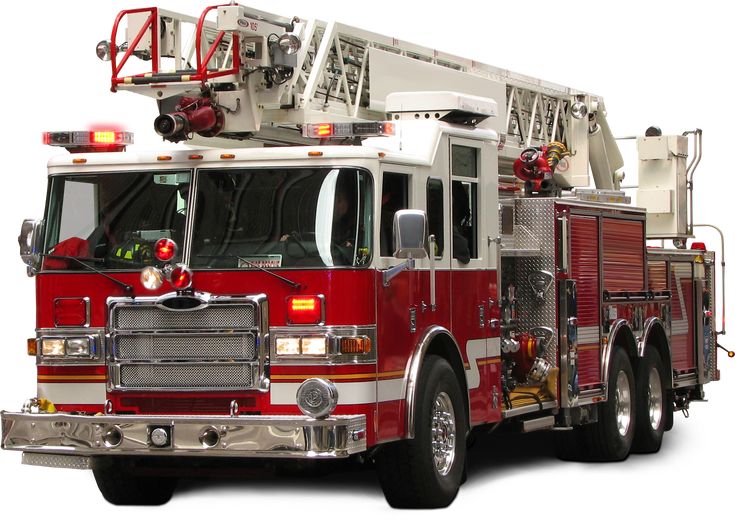



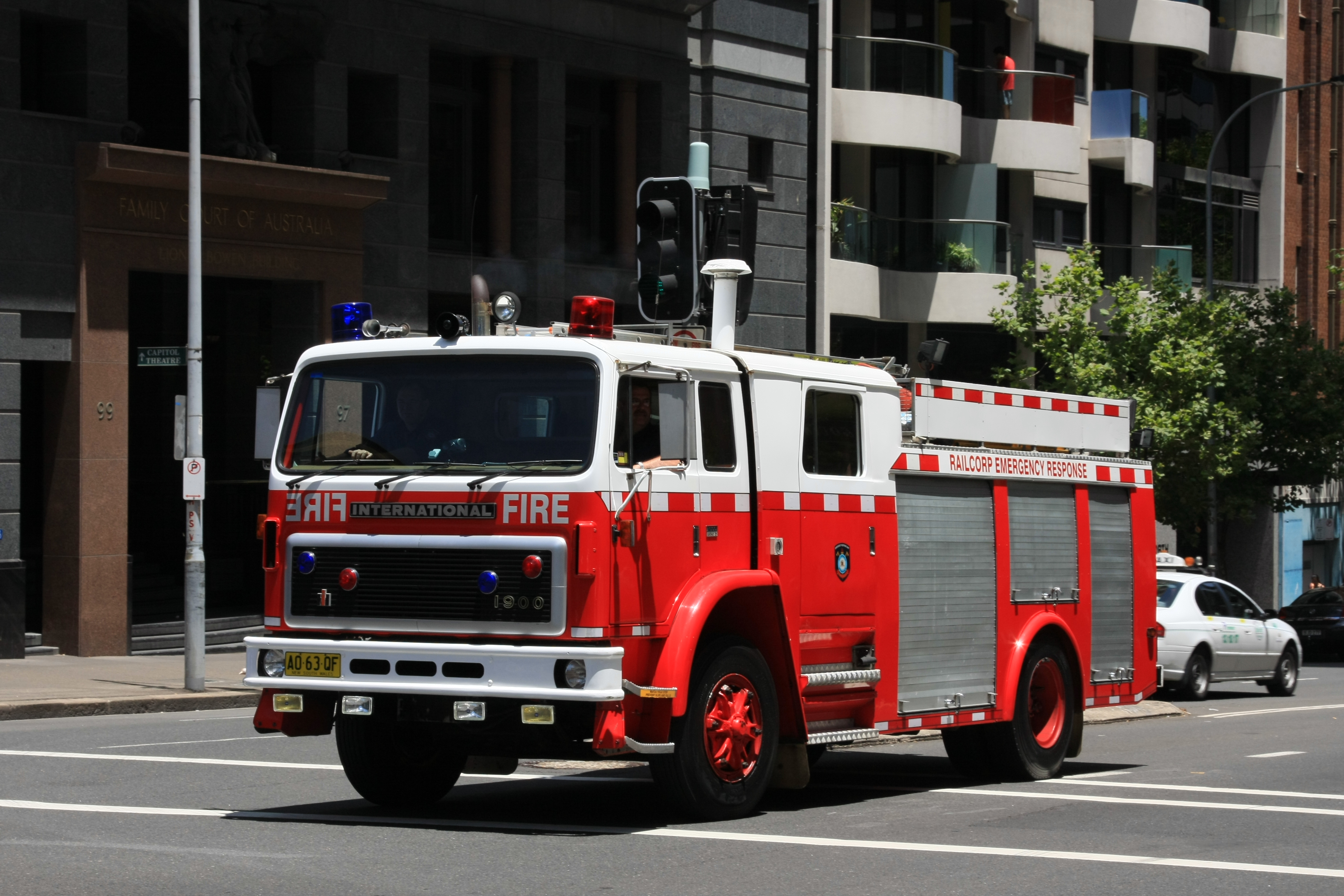
A fire truck is one of the most important vehicles used during emergencies. It helps firefighters reach accident locations, control fires, rescue people, and protect property. During these operations, every component must work correctly. Engine problems, damaged hoses, weak batteries, or faulty pumps can delay emergency response and create serious safety risks. Regular fire truck maintenance helps prevent these issues and keeps emergency vehicles ready for demanding situations.
Maintaining a fire truck requires more than checking its engine. Fire departments must inspect the braking system, tires, water tank, fire pump, electrical equipment, warning lights, and firefighting tools. A proper maintenance routine also helps extend vehicle life, reduce unexpected repair costs, and improve operational reliability. Whether a department operates a single fire engine or an entire fleet, preventive maintenance should be a key part of its emergency preparedness plan.
Why Is Regular Fire Truck Maintenance Important?
Regular maintenance helps ensure that a fire truck performs reliably when firefighters need it most. Emergency vehicles often operate under difficult conditions, including heavy traffic, high temperatures, rough roads, and long operating hours. These conditions can increase wear on mechanical parts and firefighting equipment.
Without proper servicing, small problems can develop into major mechanical failures. For example, worn brake pads may reduce stopping performance, while damaged pump seals can cause water leaks. Regular inspections allow maintenance teams to identify these issues before they affect emergency operations.
Preventive maintenance also supports firefighter safety. A well-maintained vehicle provides dependable braking, steering, acceleration, and equipment operation. In addition, scheduled servicing can reduce downtime and help departments manage their maintenance budgets more effectively.
1. Inspect the Engine and Transmission
The engine is the heart of a fire truck. It provides the power needed to transport firefighters, carry heavy equipment, and operate in challenging road conditions. Engine maintenance should therefore be one of the first priorities in a fire truck maintenance program.
Technicians should inspect engine oil levels, coolant, belts, hoses, filters, and visible connections. Oil and filters must be replaced according to the vehicle manufacturer’s recommendations. Low oil levels, coolant leaks, unusual engine noises, and excessive exhaust smoke should be investigated promptly.
The transmission also requires regular attention. Fire trucks may carry substantial loads and experience frequent acceleration and braking during emergency responses. Checking transmission fluid, monitoring shifting performance, and inspecting the drivetrain can help prevent costly failures.
Before a fire truck enters service, operators should check for warning lights, fluid leaks, and unusual sounds. Any serious mechanical issue should be reported and corrected before the vehicle is returned to emergency duty.
2. Check the Brakes, Tires, and Steering System
Reliable braking and steering are essential for emergency vehicles. Fire trucks are often large and heavy, making vehicle control particularly important when responding to incidents on busy roads.
Brake inspections should cover brake pads, discs or drums, air brake components where fitted, brake lines, and warning indicators. Technicians should look for unusual noises, air leaks, reduced braking response, and other signs of wear. Brake fluid or air system servicing must follow the specific vehicle manufacturer’s requirements.
Tires should be checked for correct pressure, tread depth, cuts, cracks, and uneven wear. Incorrect tire pressure can affect handling, braking distance, and fuel consumption. Damaged or excessively worn tires should be replaced promptly.
The steering and suspension systems also need regular inspection. Loose steering components, damaged suspension parts, or unusual vibrations can affect vehicle stability. Routine checks help ensure that the fire truck remains controllable during urgent journeys and difficult driving conditions.
3. Maintain the Fire Pump and Water Delivery System
The fire pump is one of the most critical components of a firefighting vehicle. It delivers water through hoses and nozzles to help firefighters control fires. If the pump cannot produce the required water flow or pressure, firefighting operations may be seriously affected.
Fire pump maintenance should include inspecting seals, connections, valves, gauges, and accessible pipework for leaks or damage. Operators should check the pump panel and its instruments to confirm that readings appear normal. Any unusual vibration, overheating, or noise should be investigated by a qualified technician.
Pump performance testing is also important. Testing should verify that the pump operates according to its specified performance requirements. Following operation, technicians should inspect the system and clean relevant strainers or suction components as required.
The water tank, inlet connections, discharge outlets, and drainage arrangements must also be maintained. If the vehicle has a foam system, its proportioning equipment and associated components should be checked according to the manufacturer’s instructions.
Fire pump testing and maintenance should follow the applicable requirements and manufacturer guidance. NFPA 1910 provides a consolidated framework for the inspection, maintenance, testing, refurbishment, and retirement of in-service emergency vehicles.
4. Inspect Fire Hoses, Nozzles, and Other Equipment
A fire truck can have a powerful engine and pump, but damaged firefighting equipment can still affect emergency performance. Hoses, nozzles, couplings, ladders, extinguishers, and rescue tools must remain in serviceable condition.
Firefighters should inspect hoses for cuts, cracks, abrasion, damaged couplings, and other visible defects. Hoses must be cleaned, dried, stored, and tested according to the manufacturer’s guidance and applicable departmental procedures.
Nozzles and couplings should be checked for blockages, leaks, and damage. Ladders and rescue tools should also be inspected for structural defects and signs of excessive wear.
All equipment should be secured in its designated storage compartment. Loose tools can move during sudden braking and may injure personnel or become difficult to access during an incident.
After every emergency operation, the team should identify equipment that was used, damaged, contaminated, or needs replacement. Restocking and inspecting equipment promptly helps ensure that the fire truck is ready for its next call.
5. Maintain the Electrical System and Warning Devices
Modern fire trucks rely on electrical systems to support communication, visibility, navigation, and emergency operations. Electrical faults can affect essential equipment even when the vehicle’s engine is running normally.
Battery terminals should be inspected for corrosion, loose connections, and visible damage. Battery condition and charging performance should be checked according to the manufacturer’s recommendations. Wiring, fuses, connectors, and charging components should also be examined for wear or electrical faults.
Emergency warning lights, headlights, brake lights, indicators, and audible warning devices must operate correctly. These systems help firefighters communicate their presence to other road users while responding to incidents.
The vehicle’s radio, communication equipment, dashboard indicators, and other installed electronic systems should also be checked. Faults should be repaired by qualified personnel, especially where the equipment is essential for safe emergency operations.
How Can a Reliable Fire Truck Manufacturer Support Maintenance?
Choosing an experienced fire truck manufacturer can make long-term vehicle maintenance easier. Vehicle design, component quality, equipment accessibility, and the availability of technical support all influence how efficiently a fire truck can be serviced.
Fire departments should consider spare parts availability, warranty coverage, maintenance documentation, technician training, and after-sales support when evaluating a manufacturer. They should also confirm that the vehicle configuration meets their operational requirements and relevant safety standards.
Acrofire provides a relevant starting point for organisations exploring fire trucks and firefighting vehicle solutions in Pakistan. Before making a purchasing decision, departments should discuss their operational needs, required equipment, maintenance arrangements, and technical support expectations.
Explore Acrofire’s fire truck manufacturer services to learn more about its offerings and discuss the requirements of your firefighting operations.
Conclusion
Maintaining a fire truck for reliable emergency performance requires regular inspections, preventive servicing, equipment testing, and accurate maintenance records. Engine checks, brake inspections, pump testing, electrical maintenance, and proper equipment storage all contribute to vehicle readiness.
Fire departments should establish a maintenance schedule based on manufacturer recommendations, operating conditions, and applicable standards. They should also ensure that drivers and technicians are properly trained and that identified defects are corrected before a vehicle returns to service.
By following a structured maintenance program and working with a dependable fire truck manufacturer, organisations can improve operational reliability, extend vehicle service life, and support safer emergency response when every second matters.
Frequently Asked Questions
How often should a fire truck be inspected?
A fire truck should receive routine checks before service, with more detailed inspections and scheduled servicing at manufacturer-recommended intervals. Comprehensive testing should follow applicable standards and departmental requirements.
What are the most important fire truck maintenance checks?
The main checks include the engine, brakes, tires, steering, fire pump, water tank, hoses, electrical system, warning lights, and rescue equipment.
Why is fire pump maintenance necessary?
Fire pump maintenance helps ensure that water delivery equipment operates reliably and performs according to its specified flow and pressure requirements during firefighting operations.
How can preventive maintenance reduce repair costs?
Preventive maintenance helps identify worn or damaged components before they cause major failures. This can reduce unexpected downtime, avoid some expensive repairs, and extend the useful life of the vehicle.
What should organisations consider when choosing a fire truck manufacturer?
Organisations should evaluate vehicle quality, operational suitability, safety features, maintenance requirements, spare parts availability, warranty terms, and after-sales technical support.