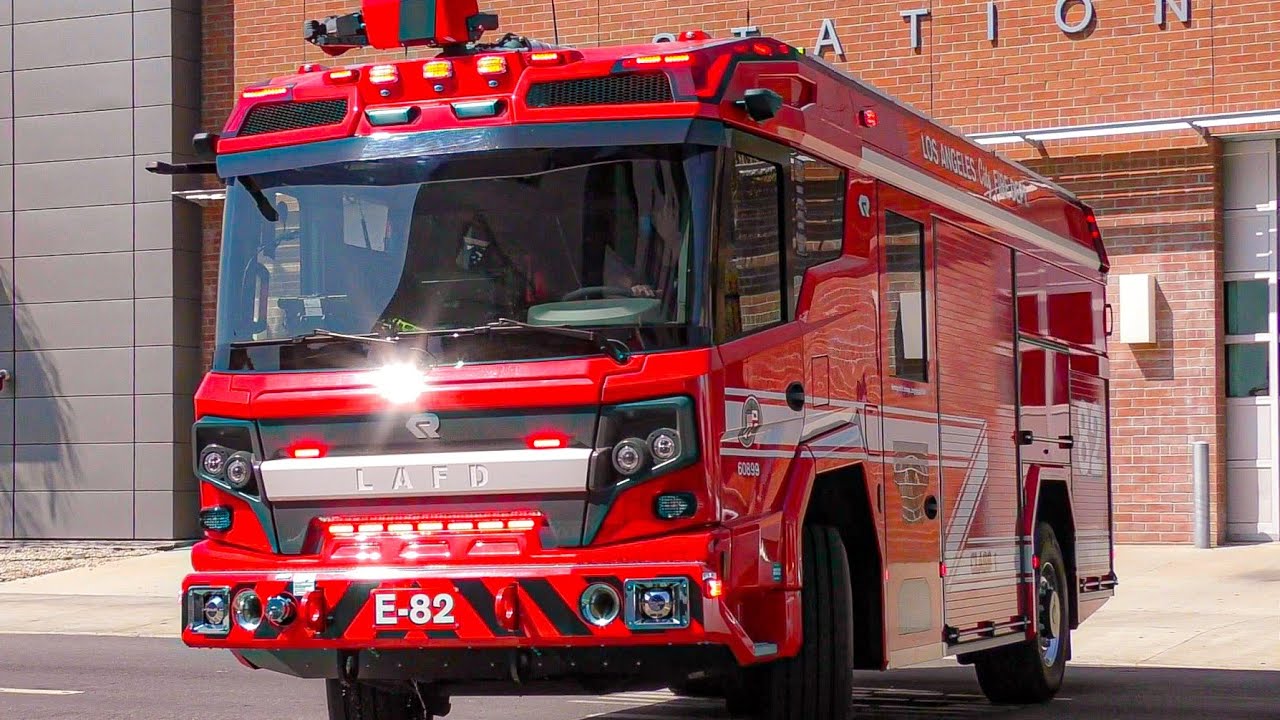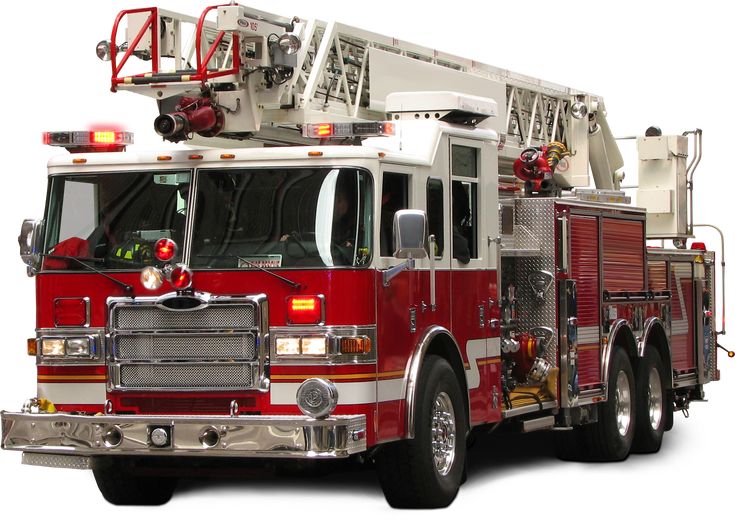



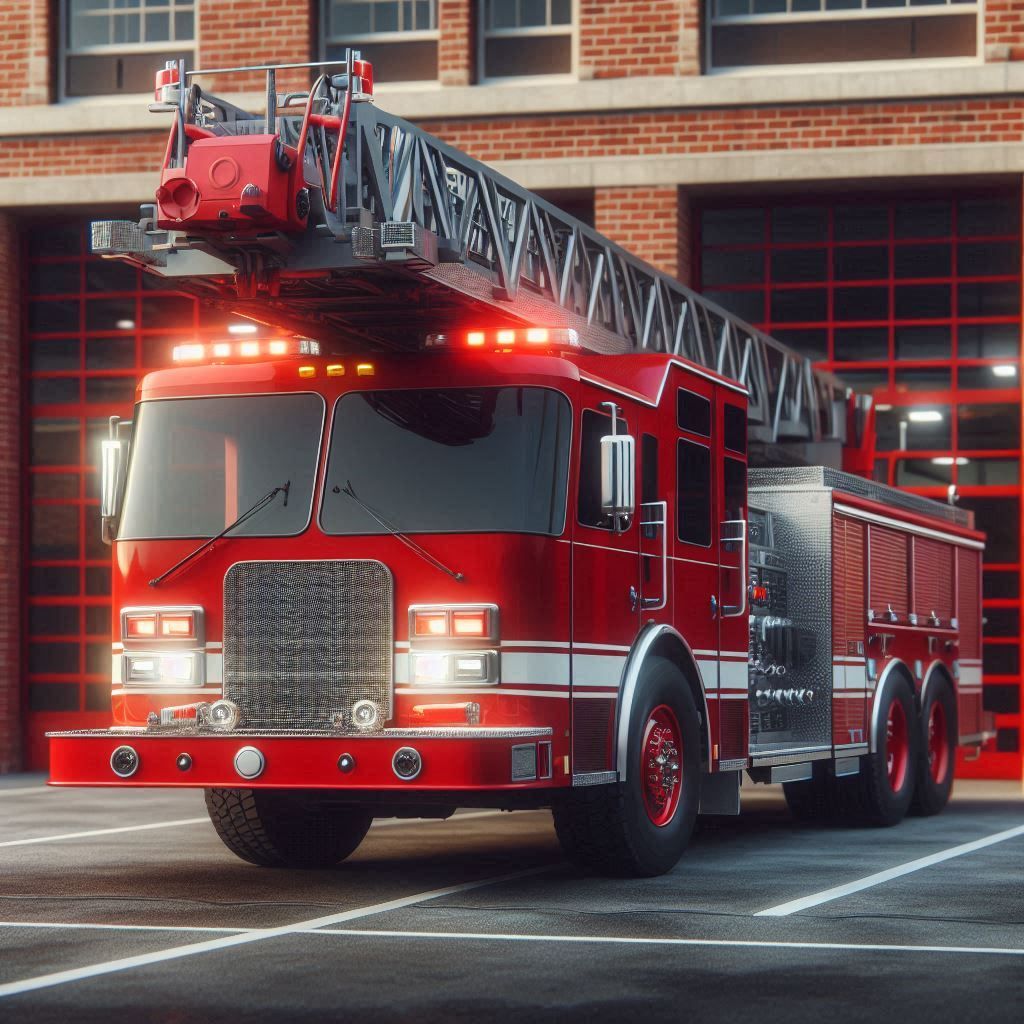
Fire trucks play an essential role in protecting people, buildings, industrial facilities, and valuable equipment during emergencies. These specialised vehicles must be ready to respond whenever a fire breaks out. However, their performance depends on more than powerful engines and advanced firefighting equipment. Regular maintenance is necessary to keep every component working correctly and ensure the vehicle is ready for immediate use.
A poorly maintained fire truck may experience engine problems, pump failures, leaking hoses, or electrical faults during an emergency. Such issues can delay firefighting operations and increase safety risks. Following a structured maintenance programme helps fire departments and industrial facilities improve reliability, reduce unexpected repairs, and extend the service life of their firefighting vehicles.
1. Conduct Regular Fire Truck Inspections
Regular inspections are the foundation of effective fire truck maintenance. Before a vehicle is placed on emergency duty, trained personnel should check its overall condition and confirm that essential systems are operational.
A routine inspection should cover tyres, brakes, engine fluids, warning lights, sirens, mirrors, doors, and equipment compartments. Firefighters should also check for visible leaks, damaged components, loose fittings, and unusual signs of wear.
The inspection should include the firefighting equipment carried on the vehicle. Hoses, nozzles, extinguishers, rescue tools, and protective equipment must be present, accessible, and in suitable working condition.
Daily or shift-based checks can identify minor problems before they become serious mechanical failures. Any defect should be recorded and reported according to the department’s procedures. Vehicles with safety-critical faults should be taken out of service until qualified personnel confirm they are safe to operate.
2. Maintain the Engine and Transmission
The engine provides the power needed to move the fire truck and support its firefighting systems. Because emergency vehicles may carry heavy loads and operate under demanding conditions, engine maintenance is particularly important.
Technicians should inspect engine oil, coolant, fuel levels, belts, hoses, filters, and visible connections according to the manufacturer’s maintenance schedule. Oil and filters should be replaced at the recommended service intervals. Coolant levels and the cooling system should also be checked to help prevent overheating.
The transmission and drivetrain require attention as well. Unusual noises, fluid leaks, difficult gear changes, or excessive vibration may indicate a developing mechanical problem. These warning signs should be investigated promptly by qualified technicians.
Regular servicing helps maintain engine performance, improve operational reliability, and reduce the likelihood of breakdowns during emergency responses.
3. Inspect and Test the Fire Pump System
The fire pump is one of the most important components of a firefighting vehicle. It moves water from the onboard tank or an external water source and delivers it through hoses and discharge outlets.
Pump maintenance should include checking for leaks, inspecting valves and fittings, examining seals, and confirming that gauges and controls function correctly. The pump system should also be checked for unusual vibration, abnormal noise, and signs of corrosion or damage.
Professional pump testing is necessary to confirm that the system delivers the required pressure and flow. Qualified technicians can conduct appropriate mechanical and flow tests using calibrated equipment and the manufacturer’s performance specifications.
The testing schedule should follow applicable standards, local requirements, and manufacturer recommendations. Any significant reduction in pump performance should be investigated and corrected before the vehicle returns to emergency service.
4. Check Fire Hoses, Nozzles, and Connections
Fire hoses and nozzles must work reliably because they provide the connection between the pumping system and the fire. Damaged hoses, leaking couplings, blocked nozzles, or faulty valves can interfere with firefighting operations.
Inspect hoses for cuts, abrasions, cracking, damaged couplings, and other visible defects. After use, clean and dry them according to the manufacturer’s instructions before storing them correctly. Hoses should be protected from excessive heat, direct environmental damage, and unsuitable storage conditions.
Nozzles and fittings should be checked for blockages, wear, and proper operation. Connections must fit securely and remain compatible with the equipment being used.
Hoses should undergo service testing and replacement when required by the applicable standards and manufacturer guidance. Keeping accurate inspection records helps ensure that damaged equipment is identified before the next emergency.
5. Maintain the Water Tank and Foam System
The water tank supplies the fire pump with water when the vehicle is operating from its onboard supply. Tank condition and water delivery arrangements should therefore be included in the maintenance programme.
Inspect the tank, access points, valves, pipework, and connections for leaks, corrosion, contamination, or physical damage. Clean and flush the system as required by the manufacturer’s instructions. The pump intake and tank-to-pump connections should also be checked for obstructions and proper operation.
If the fire truck has a foam firefighting system, additional checks are necessary. Inspect foam tanks, proportioning equipment, valves, hoses, and associated controls for damage or leakage. Confirm that the foam concentrate is suitable for the intended hazards and has been stored according to its product requirements.
Correct maintenance helps ensure that the water and foam systems are available when the vehicle is needed.
6. Examine Tyres, Brakes, and Suspension
A fire truck must reach an emergency location safely, often while carrying heavy equipment and a substantial water load. Tyres, brakes, and suspension components directly affect vehicle stability, handling, and stopping performance.
Check tyre pressure against the vehicle manufacturer’s specifications. Inspect the tyres for uneven wear, cracks, cuts, embedded objects, and other damage. Tyres should also meet the vehicle’s load and operating requirements.
The braking system should be examined for worn components, air leaks where applicable, unusual noises, and changes in braking performance. Suspension components should be checked for damage, loose connections, and signs of excessive wear.
Any problem affecting steering, braking, or stability requires prompt professional attention. Routine chassis maintenance supports safer driving and helps the vehicle remain dependable under demanding operating conditions.
7. Test Electrical Systems, Lights, and Sirens
Electrical systems support many essential fire truck functions, including engine starting, communication, emergency lighting, warning sirens, and pump controls.
Inspect batteries, terminals, charging systems, wiring, and electrical connections for corrosion, looseness, or damage. Batteries should be tested and maintained according to the manufacturer’s recommendations, particularly when the vehicle has remained unused for an extended period.
Check headlights, brake lights, indicators, emergency warning lights, and work lights. Test sirens and communication equipment according to operational procedures and local regulations.
Modern fire trucks may also include electronic monitoring systems, digital displays, and automated controls. Fault warnings should be investigated rather than ignored.
Reliable electrical equipment improves visibility, supports communication, and helps emergency crews operate effectively in difficult conditions.
8. Keep Firefighting Equipment Clean and Accessible
Firefighters must be able to locate and use their equipment quickly. Poor storage arrangements, missing tools, or damaged accessories can waste valuable time during an emergency.
After every deployment, inspect the equipment compartments and confirm that essential tools have been returned to their designated locations. Clean equipment according to the relevant instructions and check it for wear or damage.
Secure hoses, nozzles, extinguishers, rescue tools, and other accessories properly to prevent movement while the vehicle is travelling. Protective equipment should be checked for visible damage, contamination, and expired or service-due components where applicable.
Compartment doors, latches, and mounting brackets should also be inspected regularly. A clean, organised vehicle makes it easier for crews to identify missing equipment and prepare for the next call.
9. Follow a Preventive Maintenance Schedule
Preventive maintenance helps identify developing faults before they cause unexpected breakdowns. Instead of waiting for a component to fail, departments should plan servicing based on operating hours, mileage, calendar intervals, and the manufacturer’s instructions.
A practical maintenance programme can include daily readiness inspections, scheduled engine servicing, periodic pump checks, hose inspections, and comprehensive annual evaluations. Exact intervals depend on the vehicle design, applicable requirements, and operating conditions.
Maintenance records should document inspections, completed repairs, replacement parts, test results, and outstanding defects. These records help technicians identify recurring problems and make informed decisions about repairs or equipment replacement.
Using a consistent schedule improves accountability and helps managers plan maintenance without unnecessarily reducing emergency response availability.
10. Train Operators and Use Qualified Technicians
Even a well-maintained fire truck requires trained operators. Drivers and firefighting personnel should understand the vehicle’s controls, operating limitations, inspection procedures, and emergency equipment.
Training should cover safe driving, pump operation, water supply connections, equipment handling, and procedures for reporting faults. Personnel should never attempt repairs beyond their training or authorisation.
Complex mechanical problems, pump repairs, electrical faults, and specialised system testing should be handled by qualified technicians. Maintenance work must follow the vehicle manufacturer’s instructions and relevant safety procedures.
Regular training helps crews recognise early warning signs, operate equipment correctly, and avoid damage caused by improper use.
11. Clean the Vehicle and Protect It From Corrosion
Cleaning is more than a cosmetic task. Fire trucks may be exposed to dust, mud, road salt, chemicals, smoke residues, and other contaminants during their operations.
Wash the vehicle using suitable cleaning methods and inspect the bodywork for scratches, damaged paint, rust, and loose fittings. Particular attention should be given to areas where moisture or contaminants may accumulate.
After exposure to hazardous substances, the vehicle and its equipment should be cleaned and decontaminated according to established procedures. Appropriate protective equipment and safe waste-handling practices should be used when necessary.
Keeping the vehicle clean helps preserve its condition, supports corrosion prevention, and makes it easier to identify leaks or structural damage during inspections.
Conclusion
Maintaining a fire truck for reliable emergency performance requires consistent inspections, engine servicing, pump testing, hose checks, and careful attention to tyres, brakes, electrical systems, and firefighting equipment. A preventive maintenance schedule helps identify problems early, reduce unexpected downtime, and support safer operations.
Fire departments and industrial facilities should follow manufacturer recommendations, applicable standards, and documented maintenance procedures. They should also ensure that operators receive appropriate training and that complex repairs are completed by qualified technicians.
For organisations planning to purchase or upgrade firefighting vehicles, choosing a suitable fire truck from an experienced manufacturer is an important starting point. Acrofire can be contacted to discuss fire truck requirements and vehicle configurations designed for specific operational needs.