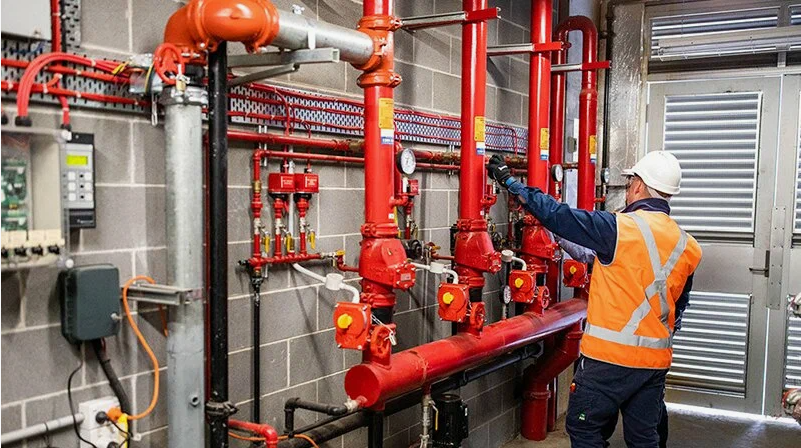



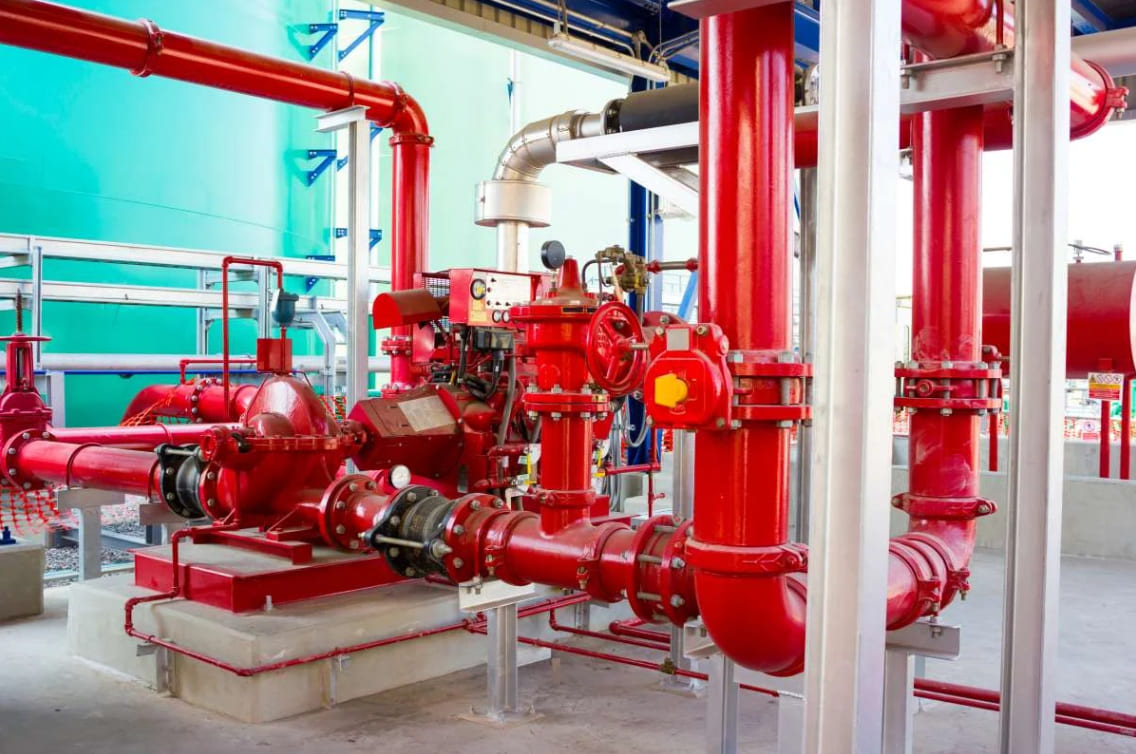
Fire pump systems play a critical role in fire protection by ensuring a reliable supply of water at the required pressure during emergencies. Whether installed in commercial buildings, industrial facilities, warehouses, hospitals, or residential complexes, fire pumps help firefighting systems perform effectively when every second matters. Among the most common types of fire pumps are electric fire pumps and diesel fire pumps. While both serve the same purpose, they differ significantly in operation, installation requirements, maintenance, costs, and reliability. Understanding these differences helps property owners and facility managers choose the right solution for their fire protection needs.
What Is an Electric Fire Pump?
An electric fire pump is powered by an electric motor connected to the building’s electrical system. When the fire protection system detects a pressure drop caused by sprinkler activation or hose usage, the electric motor starts automatically and drives the pump to deliver water at the required pressure.
Electric fire pumps are widely used in buildings where a stable and reliable power supply is available. They are known for their simple operation, lower maintenance requirements, and efficient performance.
Because electric fire pumps rely on electricity, many facilities install backup generators to ensure operation during power outages. This additional protection helps maintain fire safety even when the main electrical supply fails.
What Is a Diesel Fire Pump?
A diesel fire pump uses a diesel engine instead of an electric motor to operate the pump. It is designed to function independently of the building’s electrical system, making it a preferred choice for locations where power reliability may be a concern.
When a fire emergency occurs and system pressure drops, the diesel engine automatically starts and powers the pump. Diesel fire pumps are commonly installed in industrial plants, remote facilities, large warehouses, and critical infrastructure where uninterrupted fire protection is essential.
Since diesel pumps operate using fuel, they require a dedicated fuel tank, engine cooling system, exhaust arrangement, and regular fuel management procedures.
Power Source Differences
The most obvious difference between electric and diesel fire pumps is their power source.
Electric fire pumps depend entirely on electrical energy. They are ideal for buildings with a dependable power supply and backup electrical systems. Their operation is clean, efficient, and relatively quiet.
Diesel fire pumps, on the other hand, use diesel fuel to run an internal combustion engine. They do not depend on external electrical power, allowing them to continue operating even during a complete power failure.
This independence makes diesel fire pumps especially valuable in facilities where electrical outages could compromise fire safety.
Installation Requirements
Installation requirements vary significantly between the two systems.
Electric fire pumps generally require less installation space. Since there is no engine, fuel tank, or exhaust system, the overall setup is simpler. Installation primarily involves electrical connections, motor controls, and pump assembly.
Diesel fire pumps require more complex installation procedures. In addition to the pump and engine, space must be allocated for fuel storage, exhaust piping, ventilation, cooling systems, and engine maintenance access. Proper ventilation is particularly important because diesel engines generate heat and exhaust gases during operation.
As a result, diesel fire pump installations are usually more expensive and require careful planning.
Operating Costs
Operating costs are another important consideration when selecting a fire pump system.
Electric fire pumps generally have lower operating costs because electricity is often less expensive than diesel fuel. They consume power only during testing and emergency operation, making them cost-effective over the long term.
Diesel fire pumps incur fuel expenses and require regular engine servicing. Fuel storage management, battery replacement, oil changes, and engine inspections add to ongoing operational costs. While these costs may be justified by increased reliability, they are typically higher than those associated with electric pumps.
Maintenance Requirements
Regular maintenance is essential for all fire pump systems, but diesel pumps generally require more attention.
Electric fire pumps have fewer moving components and do not involve fuel systems or combustion engines. Routine inspections usually include motor testing, electrical checks, controller inspections, and pump performance verification.
Diesel fire pumps require comprehensive maintenance programs. Technicians must inspect fuel quality, engine oil, coolant levels, batteries, belts, filters, and exhaust systems. Regular engine testing is necessary to ensure reliable startup during emergencies.
Because of their mechanical complexity, diesel fire pumps often demand greater maintenance resources and specialized expertise.
Reliability During Power Outages
One of the most important factors in fire pump selection is reliability during electrical failures.
Electric fire pumps can become vulnerable if the building loses power and no backup generator is available. Although emergency generators can provide protection, generator failure remains a potential risk.
Diesel fire pumps offer a significant advantage because they operate independently of the electrical grid. As long as fuel is available and the engine is properly maintained, they can function during widespread power outages.
This capability makes diesel fire pumps a popular choice for critical facilities such as manufacturing plants, airports, data centers, and large industrial sites.
Environmental Impact
Environmental considerations are becoming increasingly important in modern building design.
Electric fire pumps produce no direct emissions during operation. They contribute to cleaner indoor environments and support sustainability initiatives, especially when powered by renewable energy sources.
Diesel fire pumps generate exhaust emissions, including carbon dioxide and other combustion byproducts. Although fire pumps operate infrequently, environmental regulations may still influence equipment selection in certain regions.
For organizations focused on reducing environmental impact, electric fire pumps often provide a more environmentally friendly option.
Noise Levels
Noise can be a significant factor in some building environments.
Electric fire pumps operate relatively quietly, making them suitable for hospitals, hotels, office buildings, and residential developments where minimizing noise is important.
Diesel fire pumps produce engine noise, vibration, and exhaust sounds during operation and testing. Additional soundproofing measures may be required to meet local noise regulations or occupant comfort standards.
As a result, electric pumps generally provide a quieter operating environment.
Initial Investment Costs
The initial purchase and installation costs of fire pumps can vary depending on project requirements.
Electric fire pumps typically have lower upfront costs because they require fewer supporting components and simpler installation procedures.
Diesel fire pumps often involve higher capital investment due to fuel storage systems, engine controls, cooling arrangements, and ventilation infrastructure. However, their ability to operate independently of electrical power can justify the additional expense in critical applications.
Decision-makers should evaluate both short-term installation costs and long-term operational considerations when comparing options.
Best Applications for Electric Fire Pumps
Electric fire pumps are often the preferred choice for:
- Commercial office buildings
- Residential towers
- Hotels
- Shopping centers
- Educational institutions
- Healthcare facilities with reliable backup power
- Buildings with stable electrical infrastructure
Their efficiency, lower maintenance requirements, and quiet operation make them ideal for many urban and commercial environments.
Best Applications for Diesel Fire Pumps
Diesel fire pumps are commonly selected for:
- Industrial facilities
- Manufacturing plants
- Warehouses
- Remote locations
- Airports
- Power generation facilities
- Critical infrastructure projects
- Sites with unreliable electrical service
Their independence from electrical power provides an extra layer of reliability in high-risk environments.
Conclusion
Both electric and diesel fire pumps are essential components of modern fire protection systems, but each offers distinct advantages. Electric fire pumps provide efficient operation, lower maintenance costs, quieter performance, and environmentally friendly operation. They are ideal for facilities with dependable electrical infrastructure and backup power systems.
Diesel fire pumps offer unmatched reliability during power outages and are particularly valuable in industrial, remote, and mission-critical applications. Although they require higher installation costs and more maintenance, their ability to operate independently of electrical power makes them a trusted choice for many high-risk facilities.