


Fire safety is a critical aspect of both workplace and residential safety. While investing in fire protection systems and equipment is essential, ensuring that staff and residents know how to respond effectively in an emergency is equally important. Fire safety training and drills play a vital role in minimizing risks, protecting lives, and reducing property damage.
Understanding Fire Safety Training
Fire safety training equips individuals with the knowledge and skills required to prevent, respond to, and manage fire emergencies. Training programs typically cover:
-
Identification of Fire Hazards: Understanding potential fire risks within a building or workspace.
-
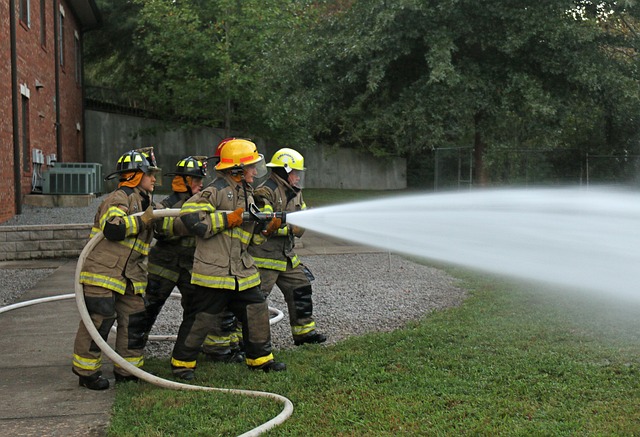
Use of Firefighting Equipment: Proper operation of fire extinguishers, fire blankets, and hose reels.
-
Evacuation Procedures: Step-by-step guidance on safe exit routes and assembly points.
-
Alarm and Notification Protocols: How to respond to fire alarms and communicate effectively during emergencies.
Structured training ensures that every individual, from employees to facility managers, is prepared to act calmly and efficiently in case of fire.
The Role of Fire Drills
Fire drills are simulated exercises designed to practice evacuation and emergency response procedures. Their key benefits include:
-
Familiarity with Escape Routes: Repeated drills help individuals remember the fastest and safest routes out of a building.
-
Assessment of Response Times: Drills allow organizations to measure how quickly people can evacuate and identify areas for improvement.
-
Testing of Safety Systems: Fire alarms, emergency lighting, and exit signage can be evaluated for proper functioning.
-
Building Confidence and Reducing Panic: Regular practice builds confidence and reduces anxiety during real emergencies.
Benefits of Regular Training and Drills
Implementing consistent fire safety programs offers multiple advantages:
-
Enhanced Safety for Occupants: Trained individuals are less likely to make errors during emergencies.
-
Minimized Property Damage: Prompt and effective responses can prevent fires from escalating.
-
Compliance with Legal Requirements: Many regulatory authorities mandate fire safety training and regular drills for commercial buildings.
-
Improved Preparedness for Unexpected Events: Training prepares staff for various scenarios, including power failures or blocked exits.
Best Practices for Effective Fire Safety Training
To maximize the impact of fire safety training and drills, organizations should:
-
Schedule training sessions at regular intervals.
-
Include practical demonstrations alongside theoretical lessons.
-
Conduct fire drills multiple times a year and document performance.
-
Review and update evacuation plans according to building layout changes.
-
Engage professional fire safety experts for consultation and training.
Conclusion
Fire safety training and drills are essential components of a comprehensive fire protection strategy. While fire alarms, sprinklers, and extinguishers provide physical protection, knowledge and preparedness empower individuals to act decisively, saving lives and reducing damage during emergencies. Organizations and homeowners alike must prioritize regular training and drills as part of their safety protocols.