


Fire alarm systems are a cornerstone of fire safety in residential, commercial, and industrial environments. These systems are designed to detect smoke, heat, or flame and alert occupants and authorities before a small fire becomes a devastating catastrophe. However, simply installing a fire alarm is not enough. To ensure that the system performs optimally when it matters most, annual inspection and testing by certified professionals is critical. This inspection process not only ensures compliance with fire safety regulations but also enhances system reliability, extends service life, and protects lives and property.
At AcroFire, Pakistan’s trusted provider of fire protection services, annual fire alarm inspections are an essential part of their comprehensive safety solutions. These inspections are conducted by trained technicians who evaluate every component of the fire alarm system with precision and care, from detectors and control panels to power sources and notification devices.
Why Annual Inspection Matters
Annual inspections of fire alarm systems are not just a recommended best practice — in many jurisdictions, they are mandatory and regulated by fire codes or insurance requirements. A fire alarm system that is poorly maintained or not inspected regularly can fail at the most critical moment, leading to loss of life, injury, or extensive property damage.
The goals of an annual inspection are multifold:
- Verify Functionality: Confirm that all components — smoke detectors, heat sensors, manual pull stations, control panels, wiring, batteries, and notification devices — are working properly.
- Ensure Compliance: Meet local fire regulations and international safety standards such as NFPA 72, which guides inspection, testing, maintenance, and performance of fire alarm and signaling systems.
- Early Fault Detection: Identify wear, corrosion, wiring faults, or power issues before they compromise system performance.
- Extend System Life: Regular maintenance can increase the lifespan of the fire alarm system and reduce long-term costs by preventing major failures.
- Peace of Mind: Building owners, facility managers, and occupants gain confidence that the system will function reliably in an emergency.
What an Annual Inspection Includes
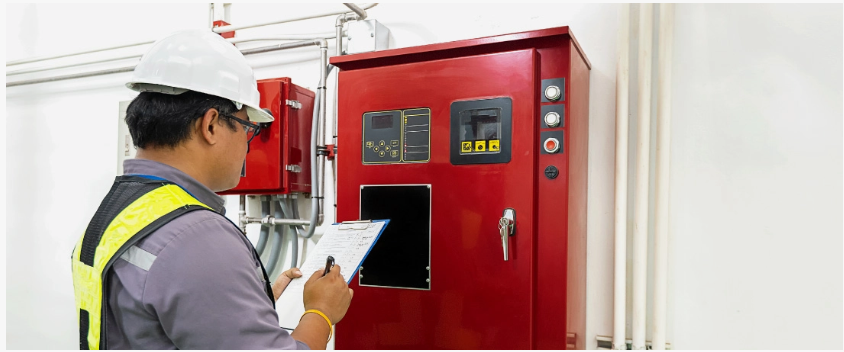
A thorough annual inspection involves much more than a visual walkthrough. Certified technicians follow a systematic approach that covers every subsystem associated with the fire alarm network. Typical elements of an annual inspection include:
1. Control Panel and Central Unit Checks
The fire alarm control panel is the brain of the system. During inspection, technicians:
- Check the control panel for error codes or abnormal readings.
- Test annunciators and indicators to ensure they correctly reflect system status.
- Verify communication between the fire alarm system and central monitoring stations or emergency responders.
Faults or discrepancies at this stage can signal deeper issues that require corrective action.
2. Detector and Sensor Testing
Each smoke, heat, and flame detector is systematically tested to ensure it senses appropriately:
- Smoke detectors may be tested with canned aerosol or calibrated instruments.
- Heat sensors are checked for responsiveness at set temperature thresholds.
- Detectors are cleaned to remove dust or debris that could interfere with detection.
The goal is to confirm that every detection device can identify potential fire conditions accurately.
3. Manual Pull Stations and Notification Devices
Manual pull stations and notification devices (bells, horns, strobes) are also tested:
- Manual stations are activated to verify that they send signals to the control panel.
- Auditory and visual notification devices are activated to ensure they alert occupants.
- Wiring and terminal integrity are checked to prevent communication failures.
These elements are critical to occupant notification and evacuation, making their inspection essential.
4. Power Supply and Backup Batteries
A fire alarm system must remain operational even during electrical outages. Annual inspections assess:
- Primary power supply quality and stability.
- Backup battery condition, including voltage and charge retention.
- Battery terminals and connections for corrosion or looseness.
Replacing aging batteries is a common requirement discovered during inspection, as weak backup power can render the alarm system ineffective in an emergency.
5. Documentation and Reporting
After all physical and functional tests are complete, detailed reports are prepared that include:
- A checklist of tests performed.
- Observations and measurements of system performance.
- Recommendations for repairs or upgrades.
- Certification that the system is compliant with relevant standards.
Documentation is essential not only for compliance but also for future maintenance planning and insurance requirements.
Standards and Best Practices for Inspection
Globally recognized standards, such as NFPA 72 — National Fire Alarm and Signaling Code, outline requirements for how fire alarm inspections should be carried out. According to these standards:
- Annual inspections should be performed by qualified personnel.
- Test results should be documented and retained.
- All significant components should be included in testing and documentation.
While some jurisdictions allow periodic intermediate checks (quarterly or semi-annual) by trained facility staff, the comprehensive annual inspection must be conducted by certified professionals with specialized equipment.
Benefits Beyond Compliance
An annual fire alarm inspection delivers benefits beyond meeting regulatory demands:
Enhanced System Reliability
Routine inspections are effective in identifying silent failures — issues that may not be apparent during everyday operation but could prevent the system from activating when needed. Identifying and correcting these problems ensures the system performs reliably during an emergency.
Reduced False Alarms
False alarms can disrupt operations, desensitize occupants, and incur unwelcome costs. Inspection and calibration help reduce false activations by ensuring sensors and communication circuits function correctly.
Cost Savings Over Time
Addressing minor issues early can prevent expensive repairs or replacements of major components. Regular inspection also helps avoid fines or penalties that might result from non-compliance with fire safety codes.
Improved Safety Culture
Routine inspections reinforce a culture of safety within an organization. Staff become more aware of fire alarm capabilities and limitations, and confidence grows that safety systems will function when needed.
AcroFire’s Approach to Annual Inspection
As a fire safety specialist in Pakistan, AcroFire offers annual inspection services as part of its broader fire protection portfolio. Their inspection teams are trained to work across a variety of building types — from commercial high-rises and industrial facilities to residential complexes, ensuring systems are tested comprehensively and professionally.
Their process typically includes:
- Initial review of system design and previous maintenance history.
- Functional tests on every system component.
- Checking power supplies, backups, cabling, and communication paths.
- On-site calibrations and adjustments were required.
- A full post-inspection report and certification.
With a commitment to safety, compliance, and reliability, AcroFire’s annual inspection services help clients meet fire code requirements and protect their people and assets effectively.
Conclusion
Annual inspection of a fire alarm system is a proactive investment in safety. It ensures that life-saving equipment functions when it is needed most, provides documented compliance with fire regulations, and protects your organization from potentially catastrophic losses. Whether you manage a commercial building, industrial site, or residential property, prioritizing annual inspections by qualified professionals is essential.
With experienced technicians and a comprehensive approach, AcroFire’s annual fire alarm inspection services support your fire safety strategy year after year, helping you maintain the highest standards of protection.