


Industrial sites and warehouses face an elevated fire risk due to heavy machinery, electrical installations, high fuel loads, and continuous operations. A single incident can lead to severe property damage, operational downtime, and loss of life. Establishing a strong fire-safety culture and implementing preventive measures is essential for protecting people and assets.
Comprehensive Fire Risk Assessment
Every industrial facility should begin with a structured fire risk assessment. This assessment identifies ignition sources, flammable materials, critical operational zones, potential hazards, and weaknesses in existing systems. It also evaluates evacuation pathways, the condition of fire-fighting equipment, and compliance with relevant safety codes. Risk assessments should be repeated annually or after any major changes in the facility layout, processes, or equipment.
Installation of Reliable Fire Fighting Systems
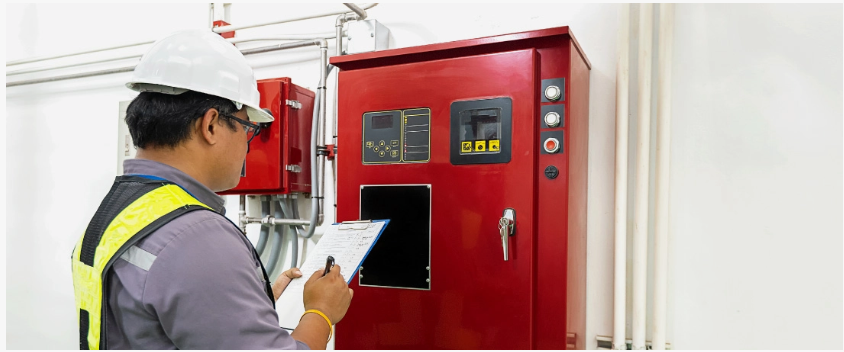
A professionally designed and properly installed fire protection system forms the backbone of industrial safety. Facilities should deploy hydrant networks, sprinkler systems, fire pumps, alarm systems, and emergency lighting. The design must reflect the specific nature of the site—whether the environment involves high-rack storage, chemicals, manufacturing lines, or electrical control rooms. Routine inspection, testing, and maintenance are essential to ensure these systems operate effectively during an emergency.
Role of Fire Detection and Alarm Systems
Early detection dramatically reduces the scale of fire incidents. Industrial sites should use a combination of smoke, heat, flame, and multi-sensor detectors depending on environmental conditions. Alarm systems must be linked with a central control panel, clearly audible across the facility, and supported by backup power to function during outages. Regular testing ensures immediate detection and timely evacuation.
Appropriate Placement and Use of Fire Extinguishers
Portable extinguishers remain a first line of defense in the initial seconds of a fire. The type, placement, and accessibility of extinguishers should match the nature of possible fire scenarios. Areas involving chemicals, electrical equipment, packaging materials, or machinery require different extinguishing agents. All extinguishers must be maintained according to international standards and staff should receive basic training in their use.
Workforce Training and Emergency Preparedness
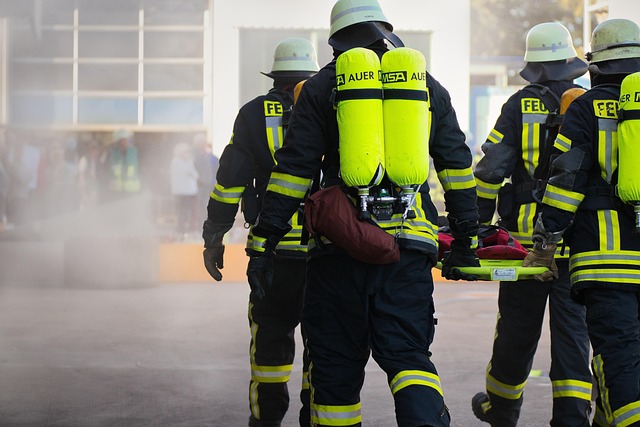
A well-trained workforce is essential to effective fire response. Employees should be familiar with evacuation procedures, assembly points, alarm recognition, and basic fire extinguishing techniques. Regular fire drills help reinforce these procedures, minimize panic, and ensure that response teams operate smoothly. Each shift should include trained fire wardens capable of guiding evacuations and managing emergencies until professional responders arrive.
Proper Electrical Safety Management
Electrical faults are among the most common causes of industrial fires. Preventive maintenance must cover all wiring, panels, switchgear, industrial machinery, and power distribution systems. Facilities should avoid overloading circuits, replace deteriorated cables, and install appropriate protective devices. Thermal imaging inspections, breaker testing, and generator maintenance significantly reduce the likelihood of electrical short circuits or overheating.
Safe Storage of Flammable and Hazardous Materials
Warehouses and production units that store chemicals, flammable liquids, or combustible materials must follow strict storage protocols. This includes using certified containers, maintaining ventilation, segregating incompatible materials, and keeping flammables away from heat sources. For high-risk areas, dedicated fire suppression systems and spill-control measures are essential for containing potential incidents.
Maintaining Cleanliness and Reducing Fire Load
Good housekeeping contributes directly to fire safety. Industrial sites should prevent the accumulation of waste, debris, packaging, or dust, all of which can fuel fires. Regular cleaning schedules, proper waste disposal, and clear access routes around machinery and electrical panels minimize hazards. Oil, grease, and chemical spills must be addressed immediately to prevent ignition.
Importance of Clear Emergency Exits
Emergency exits must remain unobstructed, clearly marked, illuminated, and easily accessible at all times. In many industrial settings, blocked exits or cluttered pathways have significantly worsened fire outcomes. Exit signage, emergency lighting, and regular inspections ensure that evacuation routes remain functional.
Routine Maintenance of Machinery and Equipment
Industrial machinery can generate heat, sparks, or friction—each a potential fire hazard. Scheduled maintenance reduces the risk of overheating, ensures proper lubrication, and identifies worn-out components before they fail. Keeping equipment in optimal working condition not only enhances safety but also increases operational efficiency.
Conclusion
Fire safety in industrial sites and warehouses requires a systematic and proactive approach. By combining risk assessment, professional fire-fighting installations, employee training, and consistent maintenance, organizations can significantly reduce hazards and safeguard operations. A commitment to safety ensures compliance with regulations while protecting lives, assets, and long-term business continuity.